

Oman has developed into one of the Middle East’s most important trade corridors connecting the GCC, Asia, and Africa. Its strategic coastline on the Arabian Sea allows cargo vessels to access international routes without congestion from the Strait of Hormuz, which makes Oman attractive for importers, exporters, and re-export traders.
This guide explains how logistics services in Oman actually work, including freight forwarding, customs clearance, warehousing, transportation, documentation, and supply chain management.
Logistics services are the organized management of product movement from the supplier to the final customer. It includes planning, coordinating, transporting, storing, clearing, and delivering goods.
A logistics company, therefore, acts as a coordinator between multiple parties:
Without logistics coordination, even a correctly purchased shipment may never reach the buyer on time.

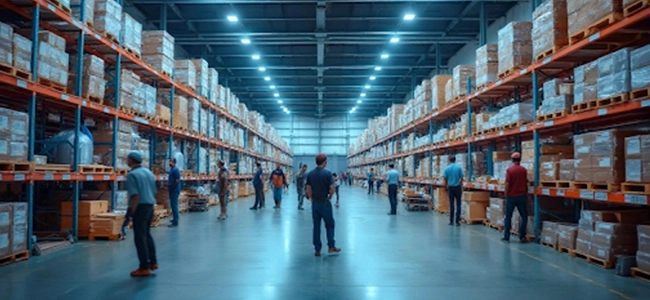
Logistics providers in Oman usually offer integrated services rather than a single activity. Each service plays a specific role in moving cargo safely and legally.
| Services | What It Includes | Used For |
|---|---|---|
| Freight Forwarding | Booking cargo space, route planning, carrier coordination | Import & export shipments |
| Customs Clearance | Duty calculation, documentation submission, inspection handling | Mandatory for all imported goods |
| Transportation | Truck delivery within Oman and GCC | Distribution & project cargo |
| Warehousing | Storage, inventory handling, order preparation | Traders & distributors |
| Door-to-Door Delivery | Pickup from supplier to final customer | Businesses & personal shipments |
| 3PL (Third-Party Logistics) | Complete supply chain outsourcing | E-commerce & manufacturers |
Most businesses use a combination of these services instead of managing each separately.
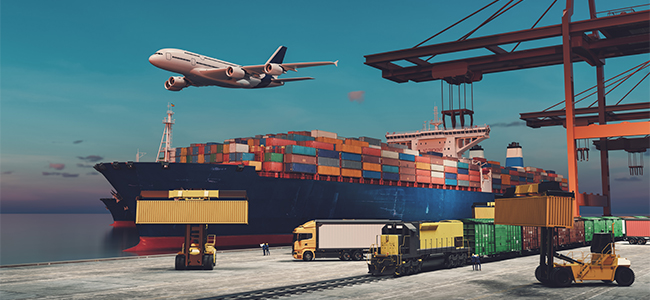
Choosing the right transport method is one of the most important cost decisions. The shipment’s urgency, size, and value determine which mode is suitable.
| Mode | Best For | Delivery Time | Cost Level |
|---|---|---|---|
| Air Freight | Urgent or high-value goods | 1-5 Days | High |
| Sea Freight | Heavy, bulk, or commercial cargo | 15-45 Days | Low |
| Land Freight | GCC cross-border shipments | 1-7 Days | Medium |
Understanding the logistics workflow helps businesses avoid confusion and shipment delays.
The importer or exporter shares shipment details with the logistics company:
Based on this, the logistics provider selects shipping mode, route, and estimated transit time, and provides a freight quotation.
Goods are collected from the supplier’s premises, such as a factory or warehouse. At this stage:
Proper packaging is critical because international transport involves multiple handling points.
Before leaving the origin country, documents must be prepared. Incorrect paperwork can stop cargo even before shipping.
The logistics provider usually verifies documents to ensure they match customs requirements.
The shipment is transported through the selected carrier:
During this period, the cargo is under the responsibility of the carrier but monitored by the freight forwarder.
When the cargo arrives in Oman, it cannot be delivered immediately.
It must first pass customs procedures.
Customs authorities check:
If required, goods may be physically inspected.
After customs approval, the cargo is released and transported by truck to its destination:
The shipment is handed over to the consignee. The receiver signs a delivery confirmation, and the logistics process is completed.
Correct documentation is the most important part of logistics in Oman. Most shipment delays happen due to missing or mismatched paperwork.
Mandatory Documents
Sometimes Required

All imported cargo entering Oman must be approved by the Royal Oman Customs authority before it can leave the port or airport. Even if the shipment has arrived physically, it cannot be delivered to the buyer until the customs clearance procedure is completed.
The process is usually handled by a licensed customs clearing agent who submits documents and communicates with customs officials on behalf of the importer.
After international transportation, the cargo reaches an entry point in Oman, such as a seaport or airport.
The carrier (shipping line or airline) informs the consignee and the clearing agent about the arrival through an arrival notice.
At this stage:
The shipment remains under customs control until clearance is completed.
The clearing agent prepares and uploads shipment documents into the customs electronic clearance system.
Typical documents submitted:
The system checks whether the importer is licensed and whether the shipment category is permitted in Oman.
Customs officers review the HS Code (Harmonized System Code) declared for the product.
This step is very important because the HS code determines:
If the HS code is incorrect or unclear, customs may request clarification or additional product information. This is one of the most common causes of shipment delay.
After verification, customs calculates the payable charges. Import duty is assessed using the CIF value of the shipment. CIF represents the total landed value of the cargo, which combines the product price, the insurance coverage during transit, and the transportation cost to the destination port.
Typical charges include:
The clearing agent receives the payment notice from customs.
Not all shipments are inspected.
Customs uses a risk-assessment system and may choose one of the following:
If inspection is required:
An incorrect declaration can result in penalties or cargo hold.
The importer (or clearing agent on behalf of the importer) pays all duties and taxes through the customs payment system. Once payment is confirmed electronically, customs updates the shipment status to cleared.
After successful verification and payment, customs issues a release order.
This document authorizes:
Only after this stage can the cargo legally leave the port.
If documentation is accurate and no inspection is required, clearance normally takes:
However, delays may occur due to:
Proper documentation and an experienced clearing agent significantly reduce clearance time and storage charges.
| Port | Speciality |
|---|---|
| Sohar Port | Industrial imports and container cargo |
| Salalah Port | International transhipment hub |
| Muscat Port | General cargo and commercial goods |
| Duqm Port | Heavy equipment and project cargo |
Each port serves different industries, so choosing the correct port reduces costs and transit time.

Selecting a logistics partner should not be based only on the lowest quotation. In international shipping, a cheaper service can often lead to delays, storage penalties, customs issues, or cargo damage.
A reliable logistics provider adds value by ensuring compliance, accurate documentation, and predictable delivery timelines.
Before finalizing a logistics company, businesses should evaluate operational capability, industry experience, and support services, not just freight cost.
Many new importers face delays because of avoidable errors:
These issues often result in cargo hold, demurrage fees, or penalties.

Selecting a professional logistics company in Oman plays a major role in how smoothly import and export operations function. From documentation preparation and customs clearance to transportation and final delivery, each stage requires coordination, regulatory knowledge, and operational experience.
Businesses that work with an organized logistics partner can reduce shipment delays, avoid customs penalties, and maintain consistent supply chain movement. Proper handling of HS codes, duty calculation, and cargo planning helps companies control shipping costs while ensuring goods reach the destination safely and on schedule.
Golden Topaz Shipping LLC supports businesses with structured logistics solutions covering freight forwarding, cargo distribution, and customs clearance. By managing the complete shipment process from supplier pickup to final delivery, a reliable logistics partner allows companies to focus on operations and customer service rather than shipping complications.
For companies involved in trading, manufacturing, construction supply, or retail distribution, working with an experienced logistics company in Oman is not only a convenience but an operational necessity for stable and efficient business growth.

26 JUNE 2026

26 JUN 2026

25 JUNE 2026

24 JUNE 2026
23 JUNE 2026

02 APRIL 2026

01 APRIL 2026

31 MARCH 2026

02 MARCH 2026
24 February 2026

12 February 2026

2 February 2026

16 January 2026

19 December 2025
17 December 2025

6 june 2025

6 june 2025

6 june 2025
Gete local advice for your global request.
Contact us now.

