
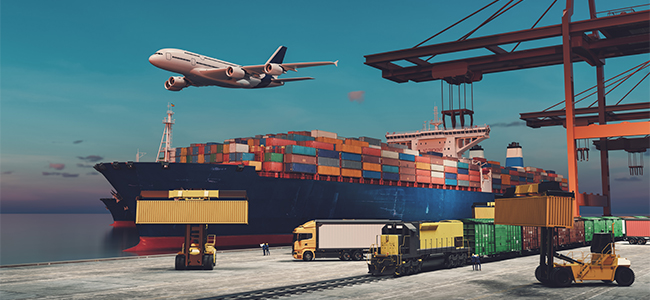
Choosing between air freight and sea freight in UAE is a critical decision for businesses involved in import and export. Each shipping method offers unique advantages in terms of speed, cost, cargo handling, and reliability. Selecting the right option can significantly impact your supply chain efficiency, delivery timelines, and overall logistics costs.
In a fast-growing logistics hub like the UAE, businesses must evaluate their shipping requirements carefully to ensure smooth and cost-effective cargo movement.
Not sure which freight option is best for you?
No worries, in this guide, we provide a detailed comparison of air freight and sea freight to help you determine which solution best suits your business needs.
Air freight refers to the transportation of goods via cargo aircraft. It is widely used for urgent, high-value, and time-sensitive shipments that require quick delivery across international markets.
Air freight services in the UAE are highly efficient due to advanced airport infrastructure and global connectivity, making it a preferred option for businesses that prioritize speed and reliability.
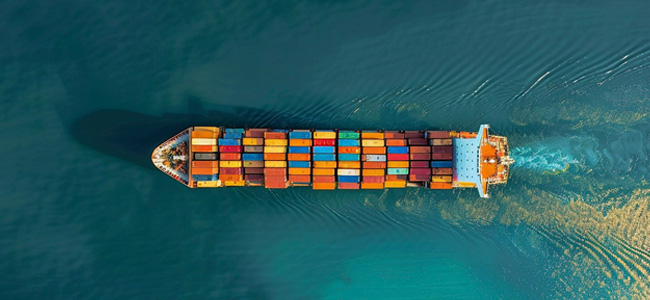
Sea freight involves transporting goods through cargo ships and is the most commonly used method for international trade. It is ideal for businesses that need to ship large volumes of goods at a lower cost.
UAE ports such as Jebel Ali are among the busiest in the region, providing strong connectivity for global shipping routes.
| Factors | Air Freight | Sea Freight |
|---|---|---|
| Speed | Very fast | Slower |
| Cost | High | Low |
| Cargo Type | Lightweight, urgent goods | Heavy, bulk shipments |
| Reliability | High | Moderate |
| Risk | Low | Slightly higher |
| Environmental Impact | High | Lower |
Cost is one of the most important factors when choosing a shipping method. Air freight is significantly more expensive due to fuel costs, speed, and handling efficiency. However, it can reduce inventory holding costs and ensure faster market delivery.
Sea freight, on the other hand, offers a more economical solution for transporting large quantities of goods. It is especially beneficial for businesses dealing with heavy cargo or bulk shipments.
Air freight is the best option when speed and reliability are critical.
Industries such as electronics, pharmaceuticals, and fashion often rely on air freight for faster turnaround times.
Sea freight is ideal for businesses looking to reduce shipping costs and transport large volumes.
Industries such as construction, manufacturing, and retail commonly use sea freight for large-scale shipments.
Choosing the right shipping method is not only about comparing speed or cost, it’s about selecting an option that aligns with your business operations, delivery commitments, and logistics planning. Below are the key considerations to help you make the right decision:
Time-sensitive shipments require a faster mode of transport. Businesses dealing with urgent orders or strict delivery deadlines often rely on air freight to ensure timely arrival. On the other hand, sea freight is more suitable when delivery timelines are flexible and can be planned in advance.
The nature of your goods plays a major role in selecting the shipping method.
Shipping costs vary significantly between the two options.
Balancing cost with delivery expectations is essential for maintaining profitability.
The volume of goods you ship can influence your choice.
Accessibility and logistics networks can impact your shipping decision. The UAE offers strong connectivity through major ports and airports, enabling businesses to choose routes based on cost, speed, and destination requirements.
Both air and sea freight require proper documentation, but timelines may differ. Sea shipments can sometimes face delays due to port operations or congestion, while air freight typically offers faster processing. Partnering with an experienced logistics company can help ensure smooth customs clearance.
Making the right logistics decision can directly impact your business efficiency and customer satisfaction. Consulting a trusted logistics expert like Golden Topaz Shipping LLC can help you choose the most suitable freight option based on your specific requirements.
Even well-established businesses can face challenges in logistics when key factors are overlooked. Being aware of common mistakes can help you avoid unnecessary costs and delays.
Choosing faster shipping options without assessing budget impact can significantly increase logistics expenses. It’s important to balance urgency with cost efficiency.
Ignoring updated import/export regulations or restricted goods guidelines can lead to shipment delays, penalties, or even cargo rejection.
Not fully understanding shipping agreements and trade terms can create confusion around responsibilities, costs, and risk during transit.
Focusing only on transportation without planning for warehousing or last-mile delivery can disrupt your supply chain and affect customer satisfaction.
Failing to insure valuable shipments can result in major financial losses in case of damage, theft, or unforeseen events during transit.
Both air and sea freight come with their own challenges:
Understanding these challenges helps businesses plan better and avoid disruptions.
Sustainability is becoming an important factor in logistics decisions.
Businesses aiming to reduce their environmental impact may consider sea freight or optimize shipment planning.
There is no one-size-fits-all answer when choosing between air and sea freight. The best option depends on your specific business needs, shipping frequency, and logistics strategy.
Consider the following:
Businesses that require fast delivery and minimal risk may prefer air freight, while those focusing on cost savings and bulk transport often choose sea freight.
Regardless of the shipping method you choose, working with an experienced logistics provider is essential for smooth operations. Choosing the right freight forwarding company in UAE ensures efficient cargo handling, proper documentation, cost optimization, and timely delivery.
A reliable freight partner can help you analyze your shipping needs and recommend the most suitable option for your business.Both air freight and sea freight play a crucial role in global logistics. The right choice depends on your business priorities, shipment type, and budget. While air freight offers speed and reliability, sea freight provides cost efficiency for large-scale shipments.
By understanding the differences and evaluating your logistics needs, you can make informed decisions that improve operational efficiency and reduce costs.
Golden Topaz Shipping LLC offers reliable and customized freight forwarding services in the UAE to match your business needs. Whether you require fast air freight or cost-effective sea freight, our experts ensure smooth, secure, and timely cargo movement.
Get in touch with our team today and simplify your shipping process with the right logistics strategy.

01 APRIL 2026

01 APRIL 2026
31 MARCH 2026

02 MARCH 2026

24 February 2026
12 February 2026
2 February 2026

16 January 2026
19 December 2025
17 December 2025

6 june 2025
6 june 2025

6 june 2025
Gete local advice for your global request.
Contact us now.

