
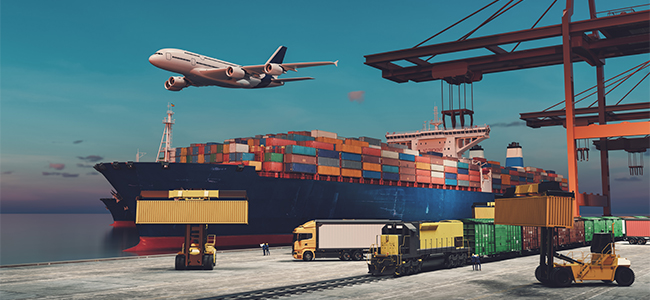
The UAE is one of the world’s fastest-growing logistics hubs, offering advanced ports, world-class airports, and strong global connectivity. With thousands of importers, exporters, SMEs, and e-commerce businesses operating in the region, the need for reliable freight forwarding companies has never been higher.
However, not all logistics companies offer the same level of service, transparency, or expertise. Choosing the right freight forwarder in the UAE can make a major difference in your shipping cost, transit time, customs experience, and overall supply chain performance.
This comprehensive guide explains exactly how to select a reputable freight forwarding company backed with practical tips, key evaluation factors, and red flags to avoid.
A reliable freight forwarder ensures:
A poor choice can lead to shipment delays, damaged cargo, unnecessary costs, and even legal issues due to incorrect documentation.

Before choosing a freight forwarding partner, it’s important to understand your own logistics requirements. Consider the following:
A clear understanding will help you shortlist the right forwarder who matches your operational needs.
Experience is everything in logistics. The more experienced the freight forwarder, the better they understand:
Choose a company with 5+ years of active experience in UAE logistics.
A reputable freight forwarder should offer multiple options under one umbrella:
A forwarder with integrated services simplifies your supply chain and reduces costs.
Most shipment delays in the UAE happen due to customs issues.
Choose a freight forwarder with:
This ensures quicker processing and fewer compliance errors.
A reputed freight forwarder should have:
A strong network equals better routes, faster delivery, and lower costs.
Today’s logistics require real-time visibility.
Your freight forwarder should offer:
Forwarders using modern systems provide more reliable, predictable logistics.
Request detailed quotations from multiple shortlisted forwarders.
Evaluate:
The lowest price isn’t always the best choice. Choose the company that offers the best value, not the cheapest rate.
A good freight forwarder should provide:
Good communication = fewer issues during transport.
Check:
Consistent positive feedback signals a trustworthy company.
Different cargo types need different handling:
Make sure the company has experience with your type of cargo.
Cargo insurance protects against risks like:
A reputable freight forwarding company always offers proper insurance coverage.
Incorrect documentation causes:
Your freight forwarder should handle:
Document accuracy is essential for fast clearance.
Avoid forwarders who:
These are signs of unreliable operations.

A reputable logistics partner doesn’t just move goods, they protect your business reputation and ensure your customers receive their cargo on time, every time. Selecting a reputable freight forwarding company in the UAE requires careful evaluation, research, and understanding of your operational needs. When you choose the right partner, your supply chain becomes more efficient, cost-effective, and dependable. This structured approach helps businesses avoid delays, minimize risks, and ensure smooth logistical operations across air, sea, and land.
If you are looking for a logistics provider that delivers reliability, transparency, and end-to-end expertise, Golden Topaz stands out as one of the best freight forwarding companies in the UAE. With a strong network, advanced handling capabilities, and a customer-first approach, Golden Topaz ensures your shipments move safely, efficiently, and on time every time.
1. What does a freight forwarder do?
A freight forwarder manages the movement of cargo through air, sea, and land. They handle documentation, customs clearance, carrier booking, and door-to-door delivery.
2. How do I choose a reputed freight forwarding company in the UAE?
Look for experience, service range, customs expertise, pricing transparency, strong network, tracking technology, and positive reviews.
3. What is the difference between a freight forwarder and a logistics company?
4. How much do freight forwarding services cost in the UAE?
Costs depend on mode (air/sea/land), weight, volume, route, customs duties, handling requirements, and service level.
5. Do freight forwarders handle customs clearance?
Yes. Most reputable forwarders handle all customs procedures, documentation, duties, HS codes, and clearance formalities.
6. What documents are required for shipping from the UAE?
7. Do I need cargo insurance?
Yes, it protects your goods from damage, theft, and loss. Carrier liability is limited, so full insurance is recommended.
8. What shipping modes are available in the UAE?
Air freight, sea freight (FCL/LCL), land freight (GCC), and multimodal options.
9. How long does shipping take?
Depends on the mode:
10. Do forwarders offer door-to-door cargo?
Yes. This includes pick-up, transport, customs clearance, and final delivery to the recipient.
02 MARCH 2026

24 February 2026

12 February 2026

2 February 2026

16 January 2026

19 December 2025
17 December 2025

6 june 2025

6 june 2025

6 june 2025
Gete local advice for your global request.
Contact us now.

