

In today’s competitive logistics landscape, businesses need flexible and cost-effective freight solutions. LTL shipping services (Less-Than-Truckload) offer an ideal option for companies shipping smaller volumes without paying for a full truck. By sharing truck space with other shippers, businesses can reduce costs while maintaining reliable delivery.
This guide explains what LTL shipping is, how it works, its benefits, pricing factors, and when it’s the right choice.
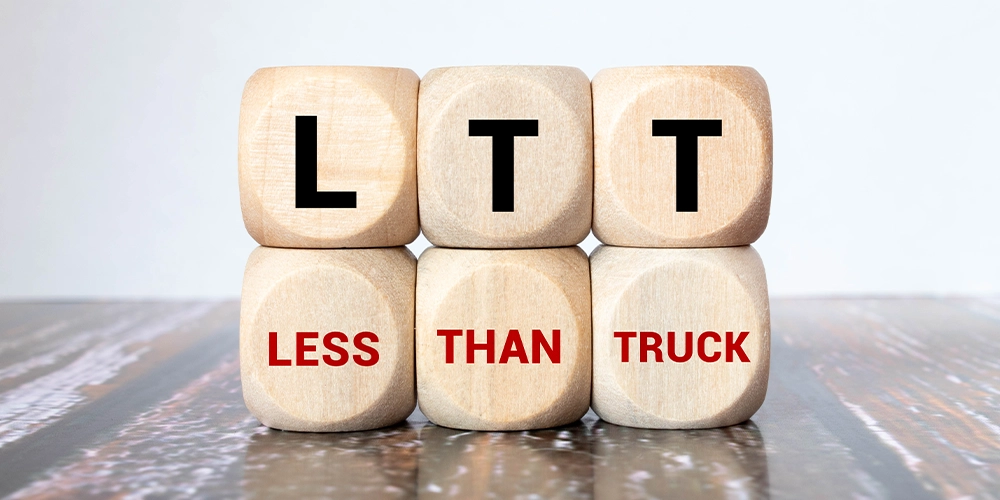
LTL shipping is a freight method used when a shipment does not require a full truckload. Multiple shippers share space in one truck, and each pays only for the portion used.
LTL shipments are typically palletized or crated and move through a hub-and-spoke network where freight is consolidated, sorted, and delivered efficiently.
Understanding the process helps businesses plan better and avoid delays.

Less-Than-Truckload (LTL) shipping follows a unique operating model that makes it suitable for businesses shipping smaller quantities of freight. Below is a detailed explanation of its core characteristics and how they impact shippers.

volumes of goods. By sharing transportation resources, companies can manage logistics costs while still maintaining reliable delivery standards. Below are the key advantages that make LTL shipping a preferred option across many industries.
| Feature | LTL Shipping | FTL Shipping |
|---|---|---|
| Truck Usage | Shared | Dedicated |
| Cost | Lower for small loads | Higher but faster |
| Transit Time | Longer | Shorter |
| Best For | Small to mid-size freight | Large or urgent shipments |
LTL pricing depends heavily on freight classification, which considers:
Accurate freight classification helps avoid reclassification fees and unexpected charges.
While LTL shipping offers flexibility and cost advantages, it also comes with certain factors that businesses should evaluate before choosing this option.
Understanding these factors helps businesses decide when LTL shipping is the right fit for their logistics needs.
LTL shipping is the right choice when:
Industries such as retail, manufacturing, construction, e-commerce, and FMCG commonly rely on LTL services.

Proper documentation is essential for smooth and delay-free LTL shipping. Accurate paperwork helps carriers handle freight correctly, ensures regulatory compliance, and supports efficient tracking and delivery. The commonly required documents for LTL shipping services include:
Ensuring all documents are complete and accurate helps minimize transit issues, avoids additional charges, and supports efficient LTL shipment processing.

Selecting the right LTL shipping services partner can make a significant difference in cost control, delivery reliability, and overall logistics efficiency. When evaluating a provider, consider the following key factors:
This is where experienced logistics companies add real value—by combining reliable networks, operational expertise, and customer-focused service to deliver dependable LTL shipping solutions.
Golden Topaz Shipping LLC offers reliable and cost-effective LTL Shipping Services tailored for businesses of all sizes. With efficient consolidation, secure handling, and strong regional coverage, Golden Topaz helps companies move smaller freight volumes across the UAE and beyond with confidence.
1. When should I choose LTL shipping instead of full truckload?
LTL shipping is ideal when your cargo does not fill an entire truck and delivery is not extremely time-sensitive. It offers cost savings and flexibility for smaller shipment volumes.
2. How is LTL shipping cost calculated?
LTL pricing depends on several factors, including shipment weight, dimensions, freight class, distance, and any special handling requirements. Accurate shipment details help avoid unexpected charges.
3. How long does LTL shipping usually take?
Transit times vary based on distance, routing, and the number of terminals involved. LTL shipments typically take longer than full truckload shipments due to consolidation and multiple handling points.
4. Can LTL shipments be tracked?
Most LTL carriers offer shipment tracking that allows shippers to monitor freight status from pickup to delivery, providing better visibility and planning.
5. What types of goods can be shipped using LTL services?
Common LTL freight includes palletized goods, cartons, machinery parts, retail products, and industrial supplies. Fragile or oversized items may require special arrangements.
6. How can I reduce the risk of damage in LTL shipping?
Proper packaging, secure palletization, accurate labeling, and clear documentation help reduce the risk of damage during multiple handling stages.
7. Does LTL shipping support cross-border and GCC shipments?
Yes. Many logistics providers offer LTL services for cross-border movements within the GCC, supported by customs clearance and documentation services.
8. What documents are required for LTL shipping?
Typically required documents include a Bill of Lading, packing list, commercial invoice (if applicable), and any customs-related paperwork for cross-border shipments.

LTL shipping services provide a smart balance between cost, flexibility, and reliability for businesses that don’t require full truckloads. With proper planning, accurate documentation, and the right logistics partner, LTL shipping can streamline supply chains and improve overall efficiency.
Ready to move your freight smarter?
Partner with Golden Topaz Shipping LLC for reliable, cost-effective LTL Shipping Services tailored to your business needs. Contact us today to get a quick quote and move your cargo with confidence.

01 APRIL 2026

01 APRIL 2026

31 MARCH 2026

02 MARCH 2026

24 February 2026

12 February 2026
2 February 2026

16 January 2026

19 December 2025
17 December 2025

6 june 2025

6 june 2025

6 june 2025
Gete local advice for your global request.
Contact us now.

